

Spirituality in Mexico: A Tapestry of Beliefs
Mexico is a land of vibrant colors, rich history, and deep-seated traditions. For many visitors, the country’s spiritual heart is immediately visible in its ornate churches, colorful festivals, and widespread reverence for saints. But beyond the surface, the story of Mexican spirituality is a complex and fascinating one, a tale of two worlds colliding and creating something entirely new.

The story begins with mestizaje, a term that describes the mixing of cultures and people. Before the arrival of the Spanish, Mexico was home to a diverse array of Indigenous civilizations, each with its own elaborate mythology and pantheon of gods. These polytheistic societies had deities for everything from rain and agriculture to war and the underworld.

When the Spanish conquistadors arrived, they brought with them a new world order and, most significantly, a new religion: Catholicism. The Indigenous peoples were compelled to adopt this new faith, but they didn’t do so completely. Instead, they began to weave their existing beliefs into the fabric of the new religion, creating a unique syncretism that defines Mexican spirituality to this day.

This fusion can be seen everywhere. For example, some ancient Indigenous gods were re-imagined as Catholic saints. The Aztec rain god Tláloc, for instance, was often equated with San Isidro Labrador, the patron saint of farmers. Perhaps the most powerful example of this syncretism is the story of Our Lady of Guadalupe. For many Indigenous groups, she is seen as a manifestation of the beloved goddess Tonantzin, whose sacred site was the very place where the Virgin appeared. To this day, you can see Indigenous dancers performing in honor of “Nuestra Madrecita” (Our Little Mother), a name that holds the double meaning of both the Virgin Mary and the goddess Tonantzin.
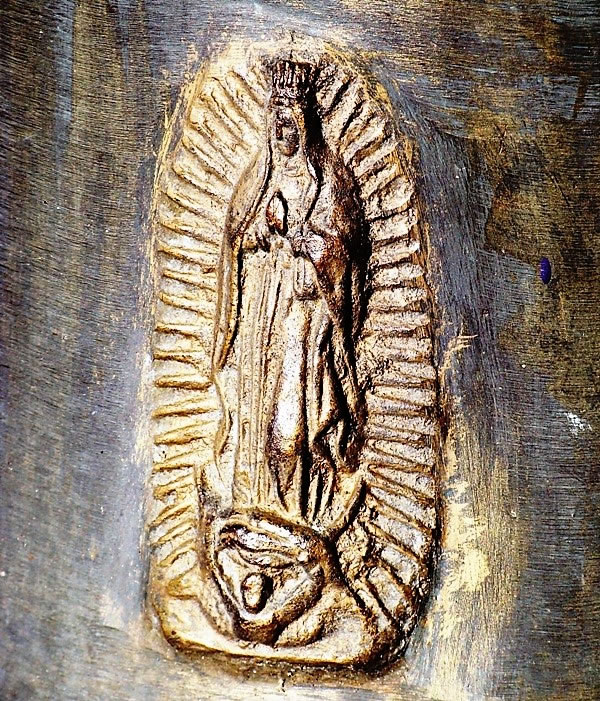 A Living, Evolving Faith
While Catholicism remains the dominant religion, with nearly 80% of the population identifying as Catholic, the spiritual landscape of modern Mexico is anything but static.
In recent decades, there has been a notable rise in Protestant and evangelical Christian churches. While some of these are seen as genuine centers of faith, others are viewed as mere businesses. Regardless, they have successfully attracted a large number of followers, signaling a shift in religious allegiances for some.
At the same time, new, homegrown spiritual movements are emerging. One of the most prominent is the cult of the Santa Muerte (Holy Death), a folk saint whose followers pray for protection and favors. This is a belief system that the Catholic Church does not endorse, yet it has gained a significant following, especially among those who feel marginalized or unprotected by traditional institutions.

For a different segment of the population, particularly those in large cities and with higher levels of education, there’s a growing interest in more esoteric and Eastern beliefs. Yoga, Zen meditation, and Tai Chi are all becoming increasingly popular, reflecting a modern search for personal meaning and wellness outside of organized religion.
Ultimately, however, the heart of Mexican tradition remains rooted in its unique blend of pre-Hispanic and Catholic beliefs. Beloved celebrations like the Day of the Dead, Holy Week, and Christmas are all powerful examples of this. The ongoing evolution and diversity of spirituality in Mexico aren’t signs of a fractured culture, but rather a testament to a living, vibrant, and ever-changing people.
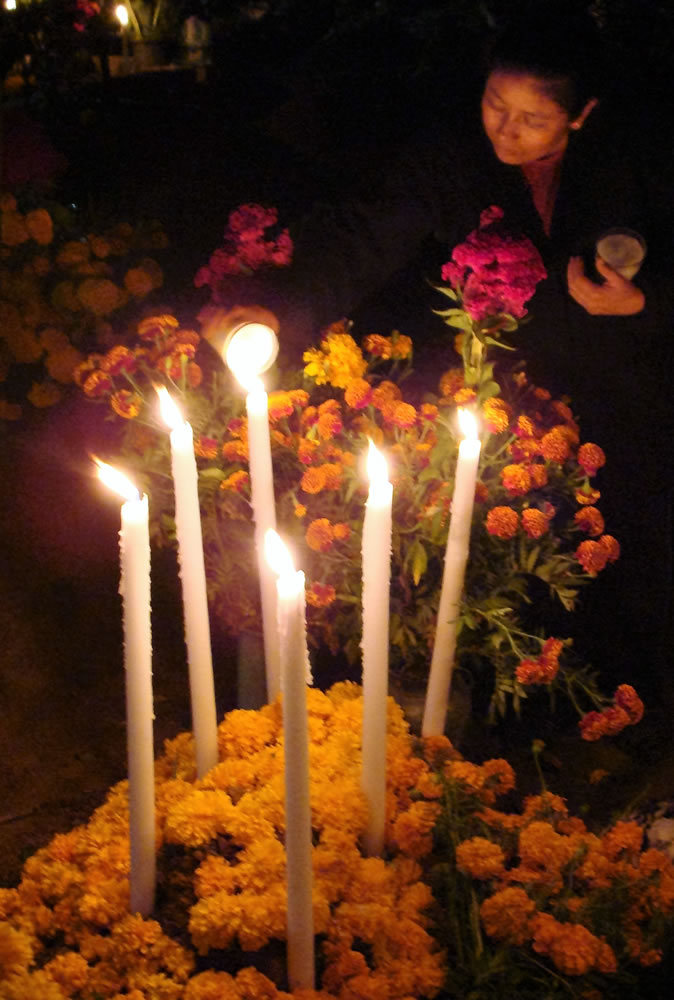
What spiritual traditions or celebrations have you found most interesting during your time in Mexico? We’d love to hear your thoughts!

