

From Acapulco to Manila: The Ship That Shrunk the World!
Hola, Ideal Spanish Mexico students and friends!
Guess what just docked in Mexico City? No, not an actual ship, but one of the most exciting historical exhibitions of the year!
You might be thinking, “A ship? What’s the big deal?” Trust us, this isn’t just about sailing; it’s about the very beginning of globalization, and how it changed Mexico forever.
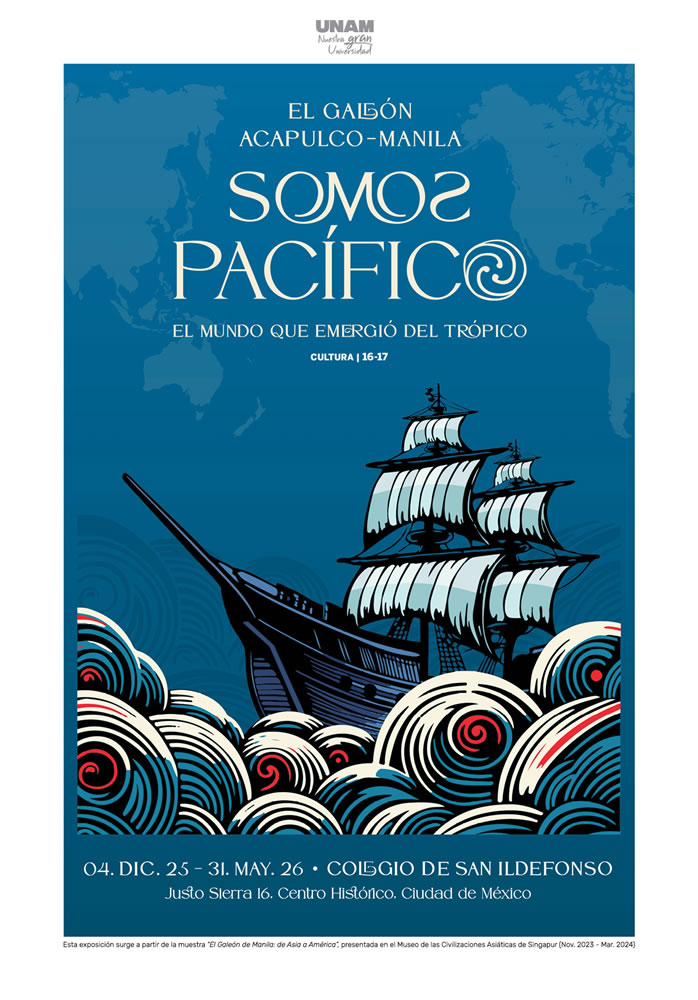
The World’s Longest Trade Route
Imagine this: for 250 years during the Colonial Era, a fleet of Spanish galleons regularly sailed between Acapulco, Mexico (then called New Spain), and Manila, the Philippines.
This route was legendary. It was the only direct link between Asia and the Americas, and it was just one part of a trade network that stretched all the way to Madrid, Spain. It was, quite literally, one of the longest and most ambitious trade routes the world had ever seen!
New Spain: The Crossroads of the World
When this was happening, Mexico wasn’t “Mexico” yet; it was the Viceroyalty of New Spain, a massive territory ruled by the Spanish Crown for nearly 300 years.
The Manila Galleon made New Spain the ultimate global hub:
- Going West: Silver mined in Mexico traveled to Manila to buy coveted Asian goods.
- Coming East: Exotic spices, fine silks, porcelain, and furniture from China, India, and the Philippines arrived in Acapulco.
Can you imagine the scene in Acapulco? It was a melting pot of languages, merchants, and goods from every corner of the planet!
The Legacy of the Galleon
This incredible exchange didn’t just move products; it moved culture, ideas, and people. It fundamentally transformed the face of Mexico (New Spain at the time), weaving it into the global tapestry as both a producer and a consumer of world goods.
From the food we eat to the decorative arts we see, the Galleon route helped shape the multicultural and vibrant Mexico we know today.
Have you ever been to Acapulco? Can you imagine what that port city looked like 400 years ago? Tell us in the comments!

