
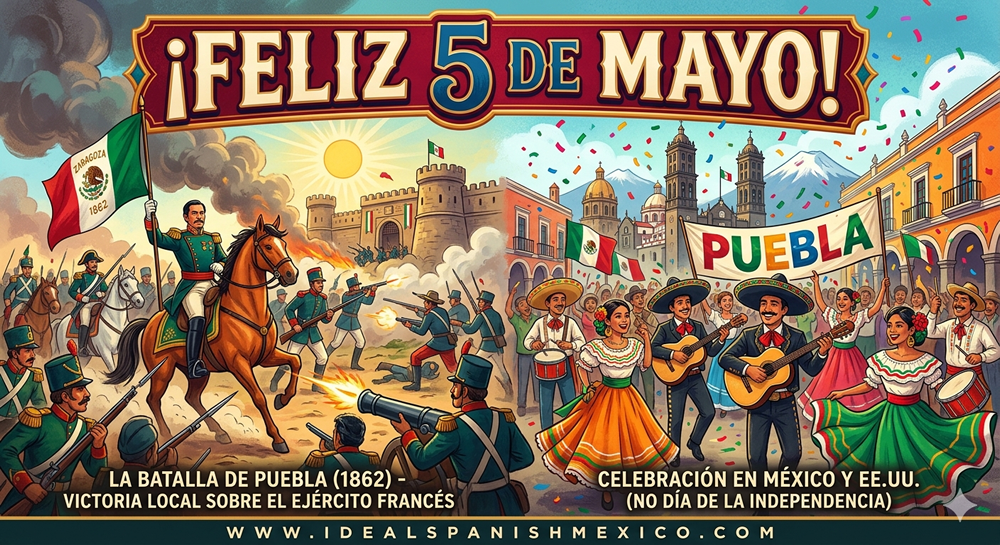
Cinco de Mayo: Beyond the Sombreros and Margaritas
Today is the 5th of May, a date that resonates loudly across North America. But depending on which side of the border you’re on, the celebrations—and the reasons behind them—look remarkably different.
Let’s dive into the real story of the Batalla de Puebla and solve the mystery of how it became a massive phenomenon in the United States.
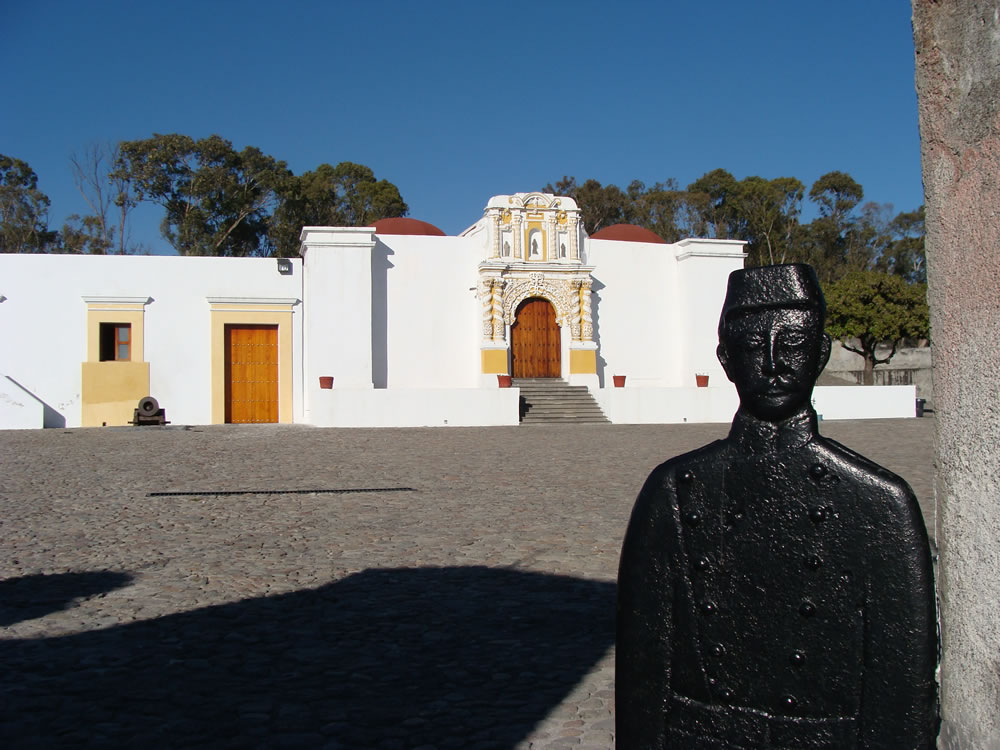
The Historical Context: The David vs. Goliath of 1862
The year was 1862. Mexico was financially exhausted after years of internal conflict and owed significant debts to European powers. While Britain and Spain negotiated, Napoleon III of France saw an opportunity to establish a satellite empire in the Americas.
The French army, considered the most powerful in the world at the time, marched toward Mexico City. They were met in the city of Puebla by a ragtag, outnumbered, and poorly equipped Mexican army led by General Ignacio Zaragoza.
Against all odds, on May 5th, the Mexican forces successfully repelled the French invasion. While this didn’t end the war, the victory became a powerful symbol of Mexican resistance and sovereignty.
A Local Commemoration vs. A National Holiday
There is a common misconception that Cinco de Mayo is Mexico’s Independence Day (which is actually September 16th). In reality, for most of Mexico, May 5th is a secondary date on the civic calendar.
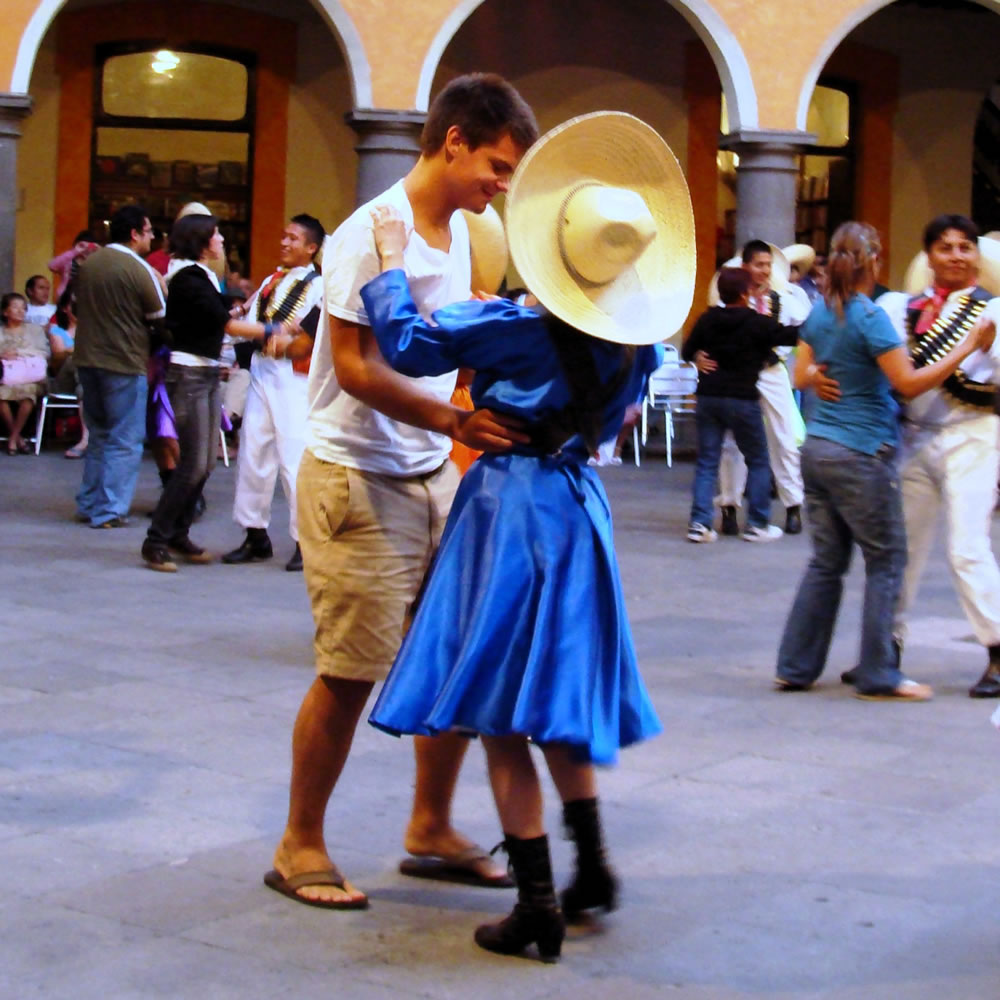
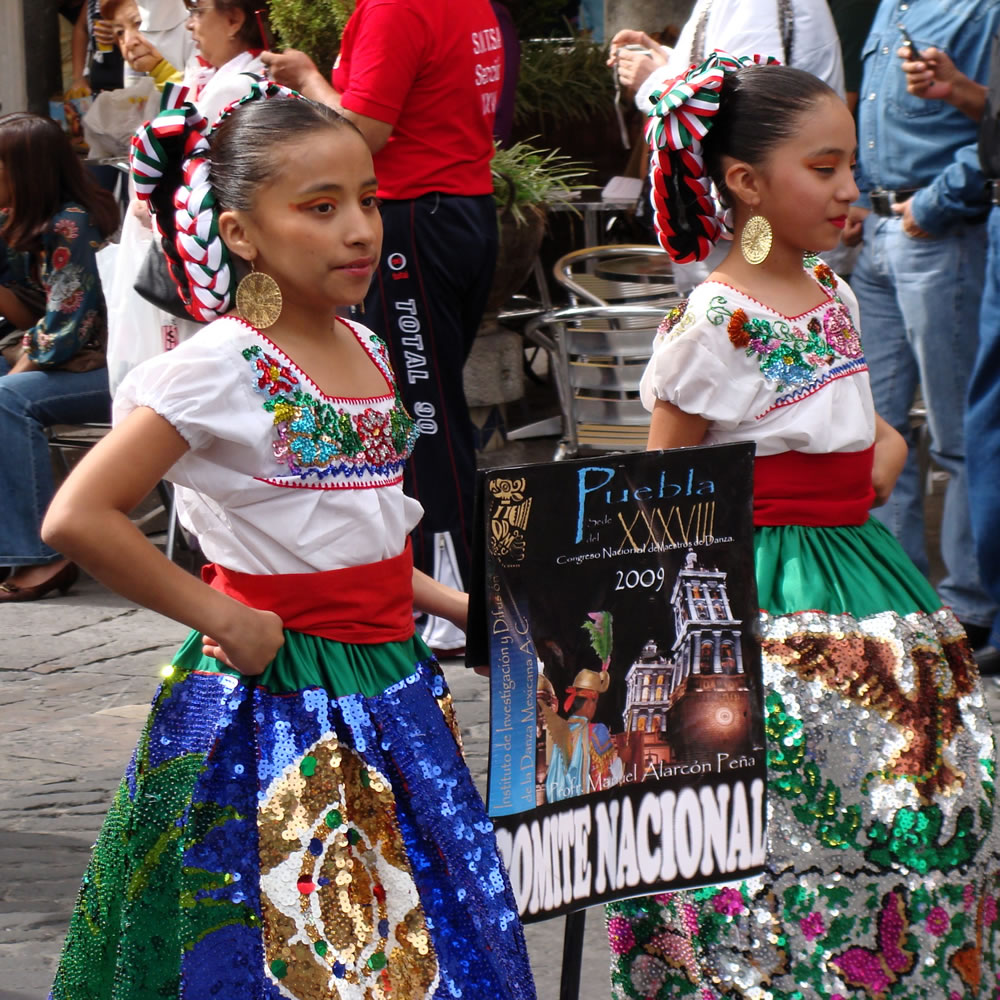
- In Puebla: It is a major event. The city hosts massive parades, historical reenactments, and cultural festivals. It is a point of immense local pride.
- In the rest of Mexico: Life continues as usual. Banks and government offices might close in some areas, but you won’t find the nationwide parties that occur in September. It is a day of remembrance, but not a day of “fiesta.”
The American Evolution: Why is it so big in the U.S.?
If it’s a regional holiday in Mexico, how did it become a staple of American culture? The transition is fascinating, and while there isn’t one single “smoking gun,” historians point to a few key theories:
- The Civil War Connection
One of the most compelling theories is that the victory in Puebla directly impacted the American Civil War. By defeating the French in 1862, the Mexican army prevented Napoleon III from using Mexico as a base to provide aid to the Confederacy. Latinos in California, who supported the Union and the cause of freedom, celebrated the news of the French defeat as a victory for democracy across the continent.
- The Chicano Movement of the 1960s
In the 1960s and 70s, Mexican-American activists (the Chicano Movement) adopted Cinco de Mayo as a way to celebrate their cultural heritage. The Battle of Puebla served as a perfect metaphor: a marginalized group standing their ground against a powerful, oppressive force.
- Commercialization and “Good Neighbor” Policies
In the mid-20th century, the U.S. government promoted “Good Neighbor” policies to strengthen ties with Latin America. Later, in the 1980s, beer and snack companies recognized the marketing potential of the holiday, transforming it into the commercial giant it is today.
Final Thoughts
Whether you are in Puebla watching the parade or in the U.S. enjoying a taco with friends, Cinco de Mayo is a reminder of the complex, shared history between Mexico and the world.
Want to dive deeper into Mexican culture while mastering the language? Join us at Ideal Spanish Mexico and experience the heart of our traditions firsthand.
¡Feliz 5 de mayo!

