
The Hidden History of Tlaltenango: Why This Cuernavaca Corner Changes Everything You Know About Mexican History
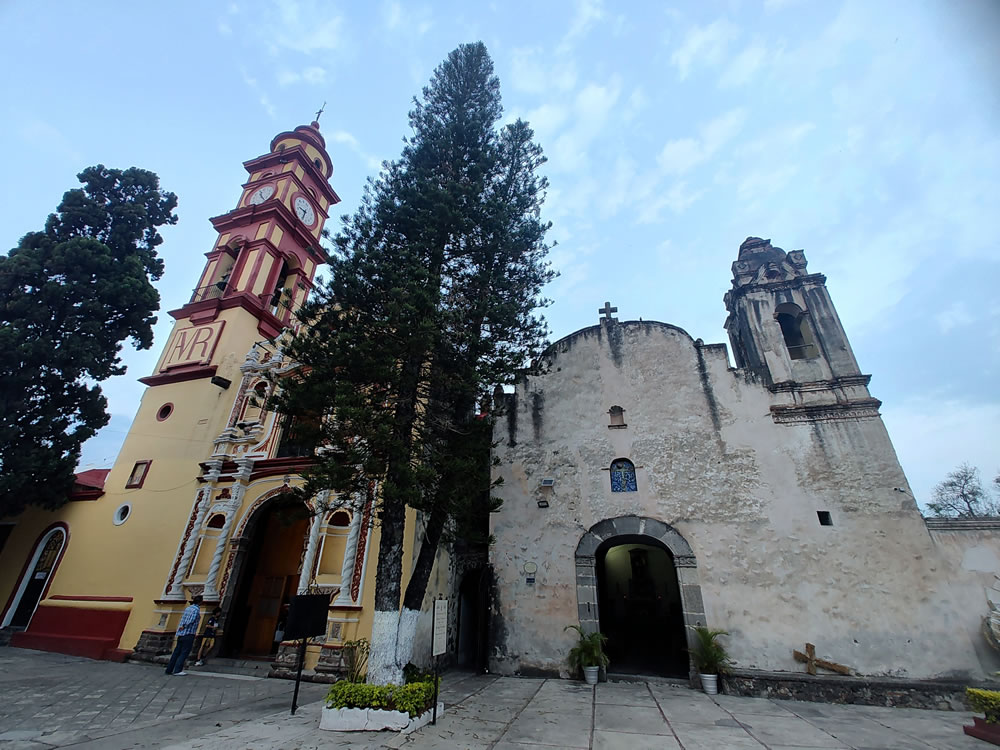
If you’ve spent any time in Cuernavaca, you’ve likely passed through the vibrant neighborhood of Tlaltenango. Dominated by a beautiful religious complex, most locals and visitors simply refer to the site as La Iglesia de Tlaltenango.
But if you stop, step through the gates, and look closely, you’ll realize you are actually looking at two entirely different eras of history standing side by side.
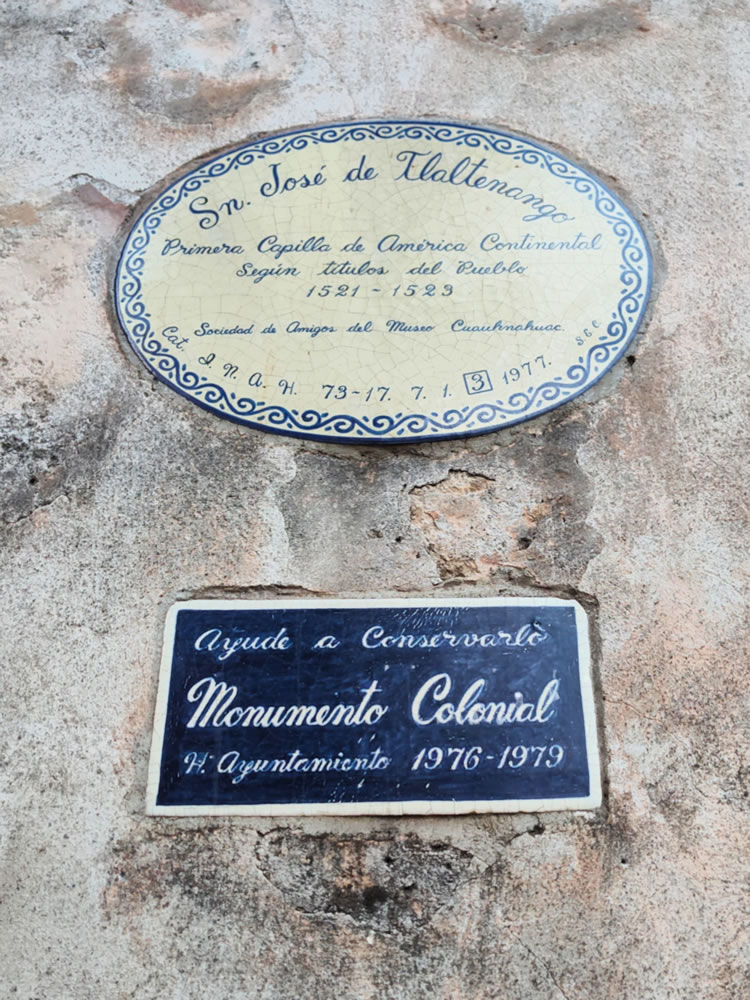
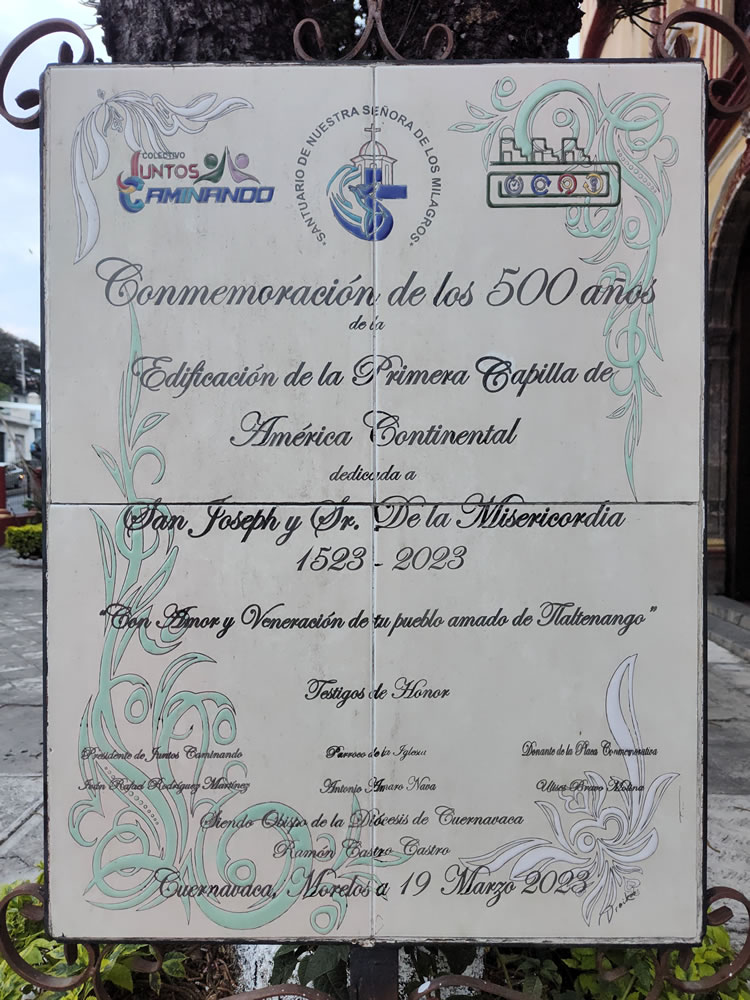
While the large, majestic church—the Santuario de Nuestra Señora de los Milagros—grabs everyone’s attention, it’s the smaller, unassuming building next to it that holds a mind-blowing historical secret. This is the Capilla de San José (the Chapel of St. Joseph), and it happens to be the very first continental Catholic religious construction in all of the Americas.
Let’s dive into the fascinating story of how this little chapel changed history.
One Complex, Two Distinct Stories
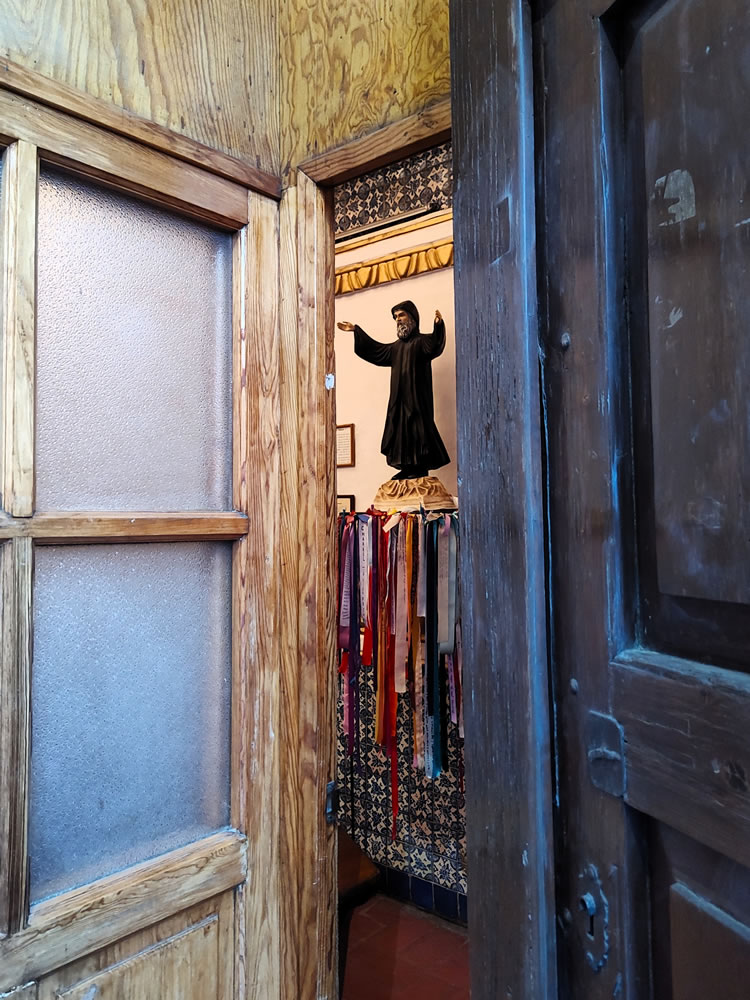
To truly appreciate this space, we have to separate the two structures. They are intimately linked, but they belong to completely different centuries and purposes.
- El Santuario de Nuestra Señora de los Milagros
This is the grander, more famous church of the two. If you love local culture, you probably know it because of the massive, colorful fair held here every year on September 8th to celebrate the Día de Nuestra Señora de los Milagros (as we’ve fondly written about before here on the blog!). It’s a bustling hub of tradition, food, and community. But structurally speaking, it’s the “new kid on the block.”
- La Capilla de San José
This smaller chapel is the true crown jewel for history buffs. Long before the grand sanctuary was even a thought, this humble chapel was built at the dawn of the Spanish conquest. It represents the literal ground zero for the evangelization of the indigenous peoples in continental America.
The History of Capilla de San José: A Continental First
To understand the weight of the Capilla de San José, we have to travel back to the early 1520s. Hernán Cortés and the Spanish conquistadors had just arrived in the Valley of Cuauhnáhuac (modern-day Cuernavaca).
Before building massive cathedrals or the famous Palacio de Cortés, the Spanish needed a functional, immediate space to begin the process of converting the indigenous Tlahuica population to Catholicism.
Did you know? While there were earlier Spanish chapels built in the Caribbean islands (like Cuba and Hispaniola), the Capilla de San José was the very first one built on the American mainland (the continent).
Cortés himself ordered its construction between 1521 and 1523. Because it was built so early, its architecture tells a fascinating story:
- The Open-Air Concept (Capilla Abierta): Indigenous peoples were accustomed to worshipping their deities outdoors, in front of large pyramids, and felt uncomfortable entering enclosed, dark European buildings. To bridge this cultural gap, the chapel was built with a prominent open arch so that hundreds of people could gather in the courtyard and witness the mass from the outside.
- Indigenous Craftsmanship: While designed by Spanish friars, it was built by the hands of local indigenous artisans. If you look closely at the masonry of the era, you can often see the blend of pre-Hispanic technique and European design.
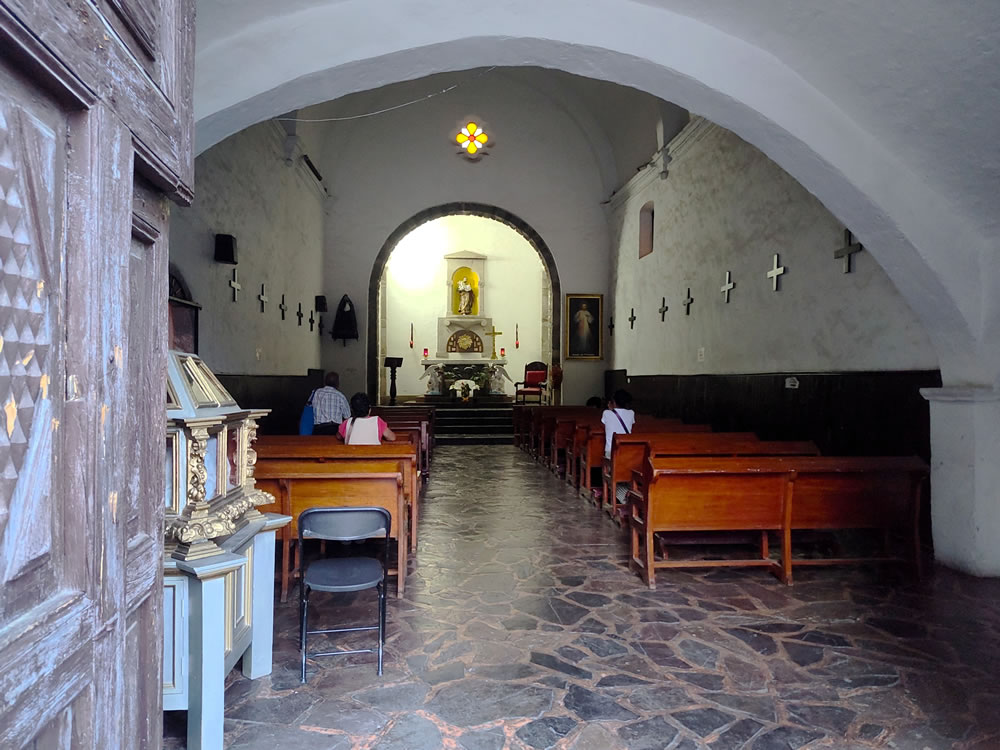
For decades, this tiny chapel was the epicenter of a massive cultural and religious shift, serving as the blueprint for how the Spanish would evangelize the rest of Mexico and Central America.
A Visual Chronicle: The Tlaltenango Mural
The history of this space didn’t stop in the colonial era; it continued to evolve alongside the community. Right in front of the Capilla de San José, visitors can admire a striking mural that beautifully narrates the history and vibrant community life of the church within the Tlaltenango neighborhood.
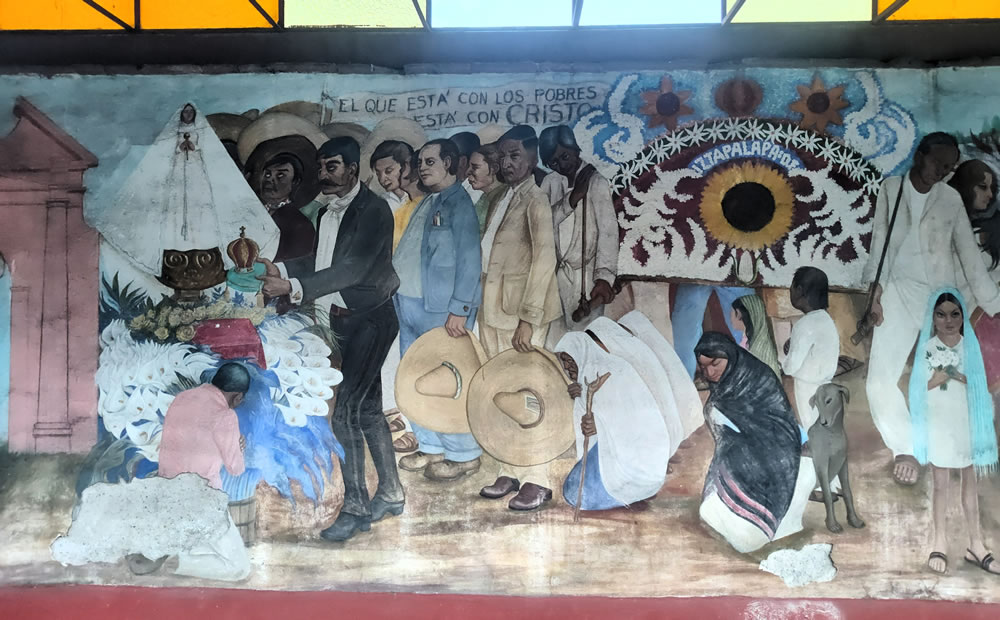
This artwork was commissioned by the famous Bishop Sergio Méndez Arceo, a highly influential figure in Cuernavaca’s modern history. Bishop Méndez Arceo was well-known for his strong sympathy toward the “iglesia de los pobres” (the church of the poor) and liberation theology—a fascinating topic about social justice and faith that we will definitely dive into in a future blog post!
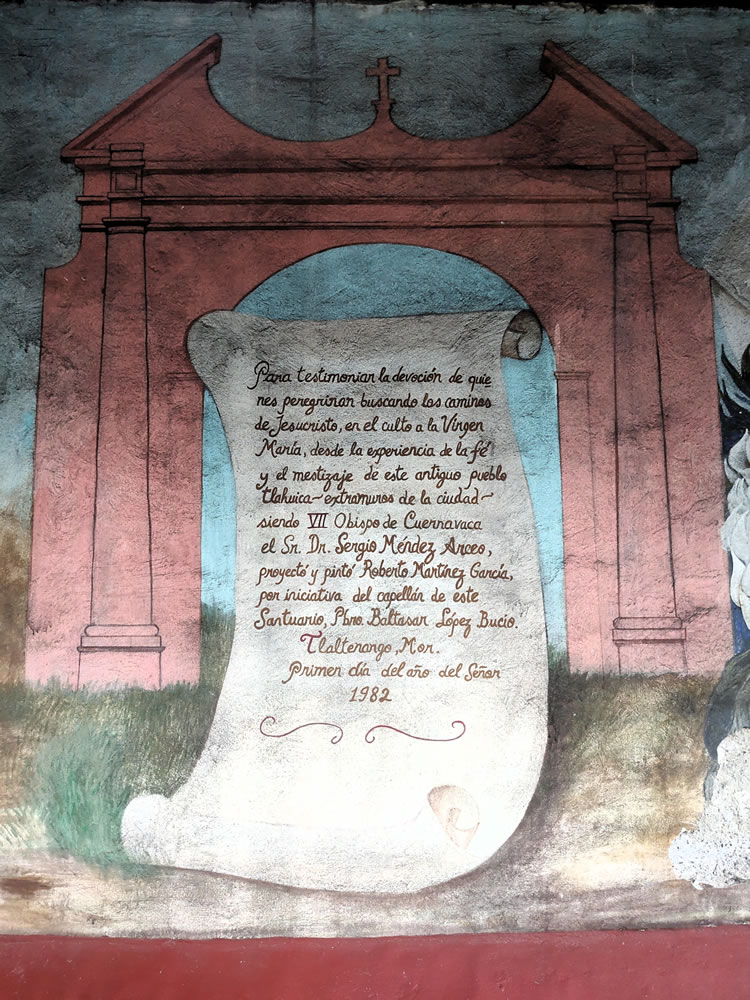
The mural stands as a colorful bridge connecting the chapel’s 16th-century roots to the modern social identity of the neighborhood.
Why You Should Visit
The next time you practice your Spanish or take a stroll through Cuernavaca, don’t just admire the Tlaltenango complex from a distance. Walk inside.
Stand in front of the Capilla de San José, take in the stories painted on the community mural, and take a moment to realize that you are standing in front of a structure that is over 500 years old—a place that witnessed the literal collision of two worlds. It’s not just a neighborhood church; it’s a living monument to the birth of modern Mexico.
Want to learn more about the incredible history hiding in plain sight around Cuernavaca while mastering your Spanish? Check out our upcoming cultural immersion experiences at Ideal Spanish Mexico!

