
Beyond the Spectacle: Celebrating Día de los Muertos with Heart and Respect
Around the world, rich cultural traditions have become powerful travel attractions. Countries proudly share their heritage to invite global travelers to experience unique local customs. Here in Mexico, we have many vibrant traditions that draw visitors from every corner of the globe, and perhaps none is more famous or beloved than Día de los Muertos (Day of the Dead), which is just around the corner.
We genuinely love welcoming visitors who come to admire our culture. It fills us with pride to open our doors and share the beauty, color, and joy of our country.
However, it is worth pausing for a moment to reflect on what lies behind these festivities. Traditions like Día de los Muertos are not theatrical performances staged for tourists. They are living, breathing cultural practices with deep roots that stretch back through centuries. The people participating in them are not actors playing a role; they are families honoring their beliefs, their faith, and their ancestors, just as their parents and grandparents did before them. Because these rituals carry profound personal meaning, approaching them with mindfulness and respect makes the experience richer for everyone.

Personal Memories of an Intimate Tradition
Before Día de los Muertos gained international fame, it was primarily a quiet, intimate affair celebrated within the sanctuary of the home.
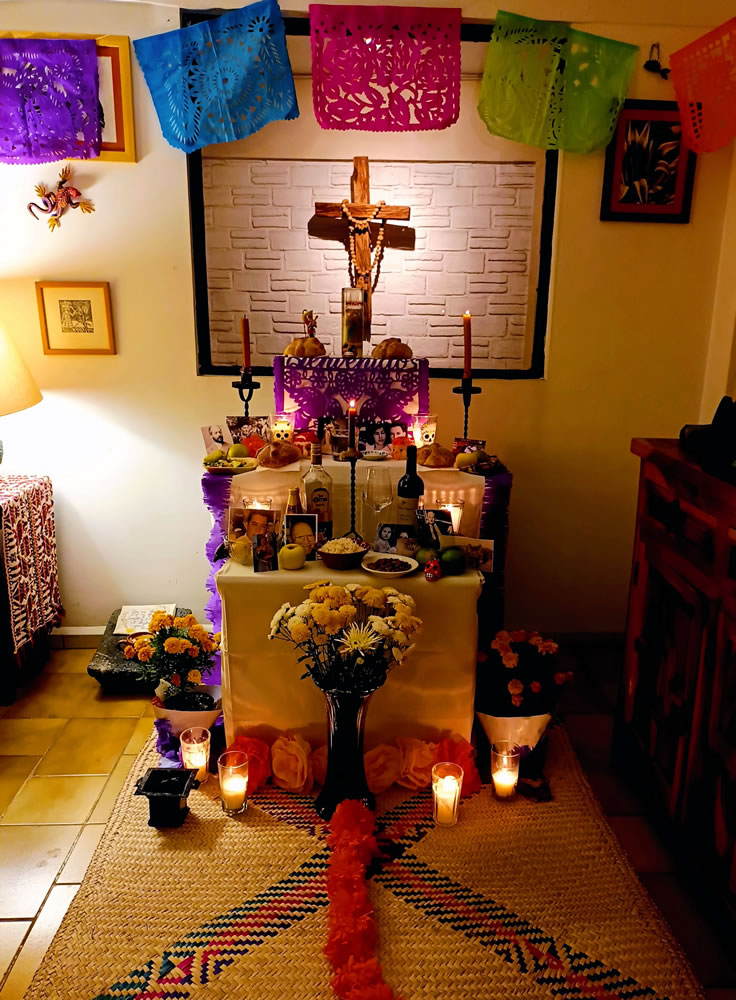
Growing up as a boy in Mexico, my memories of Día de los Muertos are wrapped in warmth, family, and a touch of childhood wonder. I remember visiting my relatives’ houses, where beautiful ofrendas (altars) were set up with candles, marigolds, and favorite foods. Back then, as a kid, I truly believed that our departed loved ones returned during the night to enjoy the feast prepared for them.
Going to the cemetery was another cherished routine. We went to clean the graves, lay down fresh flowers, and pay our respects. In my family’s tradition, we didn’t eat at the cemetery, but the next morning at home was pure delight: we got to eat everything left on the ofrenda!
My Tía Elena (Aunt Elena) prepared mouthwatering treats—almond sweet paste (dulce de almendras), creamy rice pudding (arroz con leche), sweet pan de muerto, and so much more. One of my fondest childhood memories was noticing how the food tasted subtly different the next day. In my young mind, I was sure it tasted that way because our dearly departed had already stopped by to taste it first!
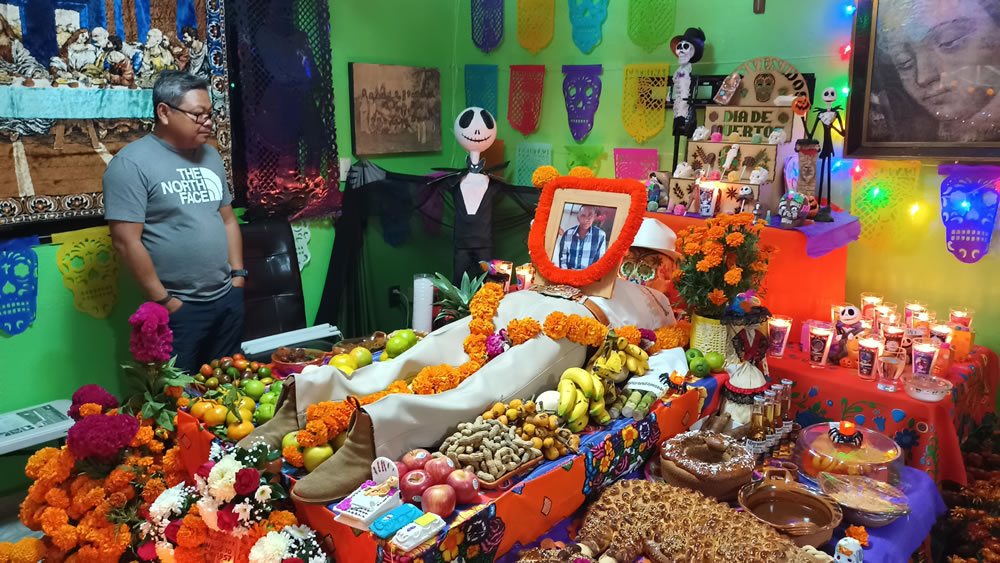
During those years, there were no massive city parades or heavy influences from Halloween, which was hardly known in Mexico back then. Everything revolved around the family circle, the local church, and neighborhood markets buzzing with vendors selling cempasúchil flowers, beeswax candles, sugar skulls, and fresh bread.
Looking back, if a tourist had walked into our home to take photos of us gathered around our altar, or watched us sweep clean our family grave, it would have felt quite odd, and frankly, a bit uncomfortable. It was simply a quiet family moment.
Evolution, Pop Culture, and Modern Tourism
Times have changed, and so has the celebration. Today, many communities across Mexico enthusiastically welcome travelers. For many local artisans and families, sharing their heritage brings both immense cultural pride and valuable economic support to their towns.

Pop culture has also played a surprising role in reshaping how the holiday is seen globally. In a fun twist of irony, the massive Día de los Muertos parade in Mexico City, now an iconic event attended by thousands, did not exist in that format until it was created for the 2015 James Bond film, Spectre! The grand spectacle was so breathtaking that the city decided to make it a real annual event, and today it is enjoyed by locals and visitors alike.
How to Experience Día de los Muertos as a Mindful Traveler
Large-scale public events, parades, and festivals are designed specifically for grand celebration, and you should enjoy them to the fullest! But when visiting smaller communities, public cemeteries, or family altars, a thoughtful approach goes a long way:
- Treat locals as neighbors, not background performers: Remember that people participating in traditional rituals are honoring their departed loved ones.
- Ask before taking photos: Avoid pointing cameras directly at people without asking for permission first, and never ask anyone to “pose” during a personal or sacred moment.
- Accept hospitality graciously: In many small towns, families open their doors to the public as part of the tradition. If you visit an open home, enter with reverence for the deceased and gratitude toward the hosts. If they offer you food, hot chocolate, or bread, accept it warmly.
- Observe cemetery etiquette: Walk carefully around graves, keep noise levels respectful, and allow families space to gather privately.
Welcome to Día de los Muertos!
Cultural traditions are meant to connect us, not only to our past, but to each other. When we travel with curiosity, empathy, and respect, we build bridges between world cultures and help keep these meaningful heritage practices alive for generations to come.
To all our students, friends, and travelers visiting Mexico during this special season: ¡Bienvenidos! Welcome to the magic, memory, and heart of Día de los Muertos.

