
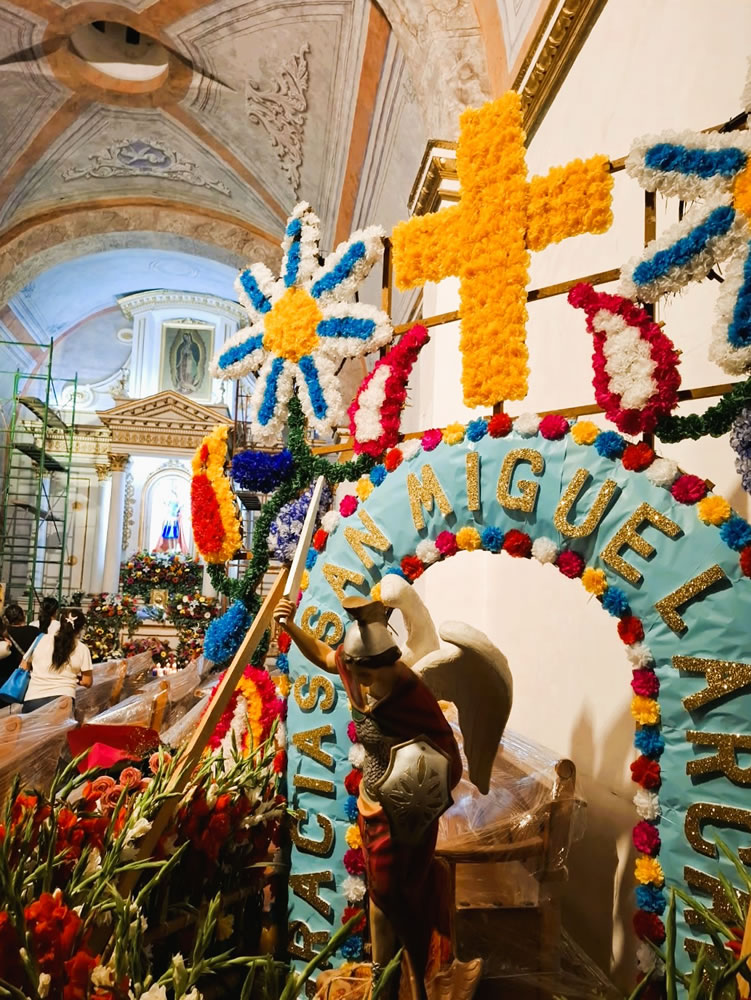
Guardians of the Threshold: The Magic and Meaning of San Miguel Day in Cuernavaca
September brings more than just the shifting of the rainy season to the City of Eternal Spring. As the calendar ticks toward the final days of the month, Cuernavaca breathes with a distinct rhythm—one rooted in ancient folklore, agricultural cycles, and deep spiritual protection. Welcome to Día de San Miguel (St. Michael’s Day), a vibrant celebration where Catholic tradition and Mesoamerican heritage weave together in the most fascinating ways.
If you are walking through the cobblestone neighborhoods or visiting local markets around September 28th and 29th, you might notice something unusual tucked above doorways: vibrant crosses woven from bright yellow marigold-like flowers.
Let’s dive into the story behind this beloved celebration, the secrets of the cruz de pericón, and why San Miguel holds such a powerful place in Morelos folklore.
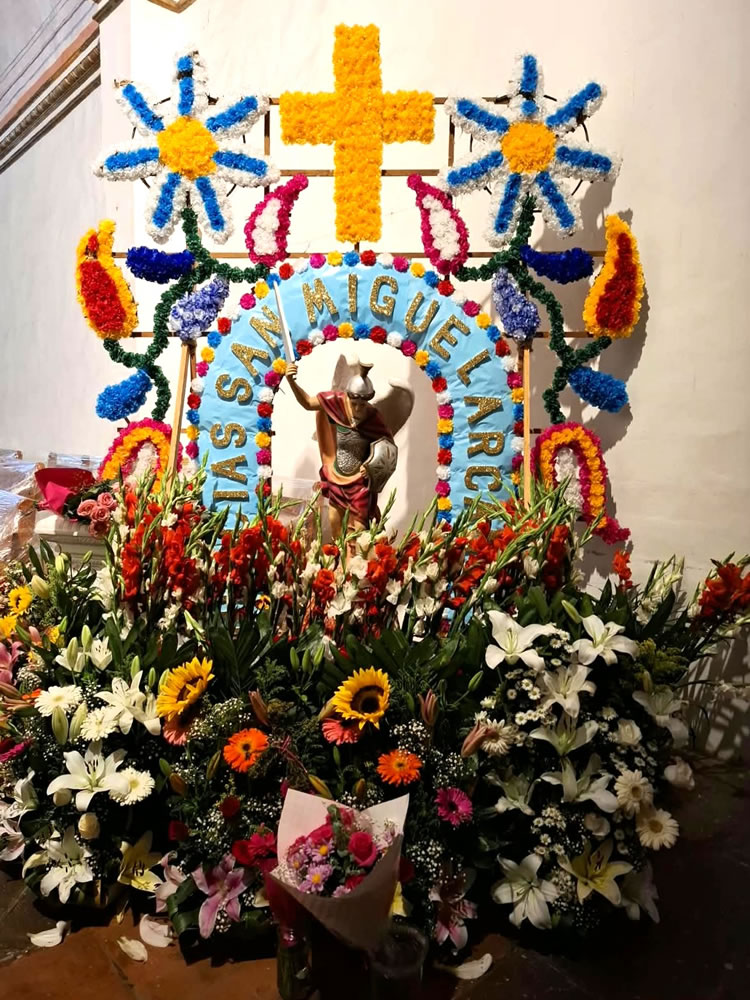
Who is San Miguel in Mexican Tradition?
In Catholic iconography, Saint Michael the Archangel is the heavenly general—the fierce warrior leader of God’s army who famously cast Lucifer out of heaven. In Mexico, and particularly in regions like Morelos, San Miguel (San Miguel Arcángel) is revered as a cosmic protector, a guardian of the harvests, and a defender of communities.
His feast day falls on September 29th, right at the tail end of the rainy season and the peak of the agricultural harvest. Historically, this was a moment of vulnerability for farming communities. Crops were heavy on the stalk, weather patterns were unpredictable, and the boundary between the sacred and the profane felt especially thin. Enter the need for some serious spiritual defense.
The Secret Weapon: The Cruz de Pericón
The absolute centerpiece of San Miguel Day in Cuernavaca is the cruz de pericón (pericón cross). Long before modern decorations took over, indigenous and mestizo communities crafted these powerful protective talismans using natural elements found right in the local landscape.
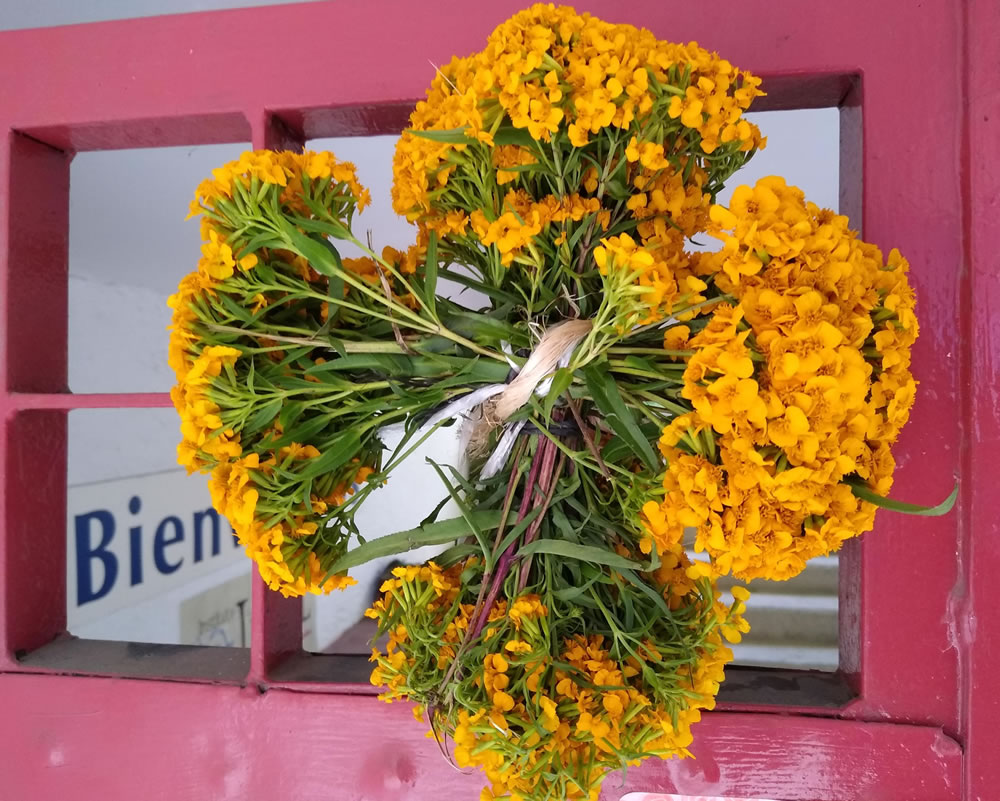
The cross is made from two pieces of wood—often wild reed or branches—bound together with red thread or yarn. But its true magic lies in the flower that gives it its name: pericón (scientific name Tagetes lucida), a wild native marigold boasting brilliant yellow blossoms and a pungent, earthy aroma reminiscent of anise and tarragon.
On the morning of September 29th, locals prepare these crosses, bless them, and place them with intention across the home.
Why Do We Put the Cross on Our Doors?
If you ask a resident in Cuernavaca why they are hammering a yellow-flowered cross above their front door, the answer is simple, direct, and delightfully rooted in local lore: we put the cross up so the devil cannot enter our homes.
According to popular legend, September 29th is the one night of the year when the devil (el diablo) and malevolent spirits roam free, trying to sneak into houses to cause mischief, sour the milpa (cornfields), or bring misfortune to families. Because San Miguel is busy organizing heavenly patrols, earthly households need their own line of defense.
The cruz de pericón acts as an impenetrable spiritual shield. The combination of the holy cross shape, the protective red thread, and—most importantly—the intense, mystical scent of the pericón flower creates a barrier that dark entities simply cannot cross. The devil despises the aroma and the sacred geometry, turning back empty-handed while the household sleeps safely inside.
Local Celebrations & Acapantzingo’s Festive Spirit
While the tradition lives in homes across the city, the true heart of the feast day is found in community gatherings. One of the best places to experience this firsthand is in the traditional neighborhood (barrio) of Acapantzingo.
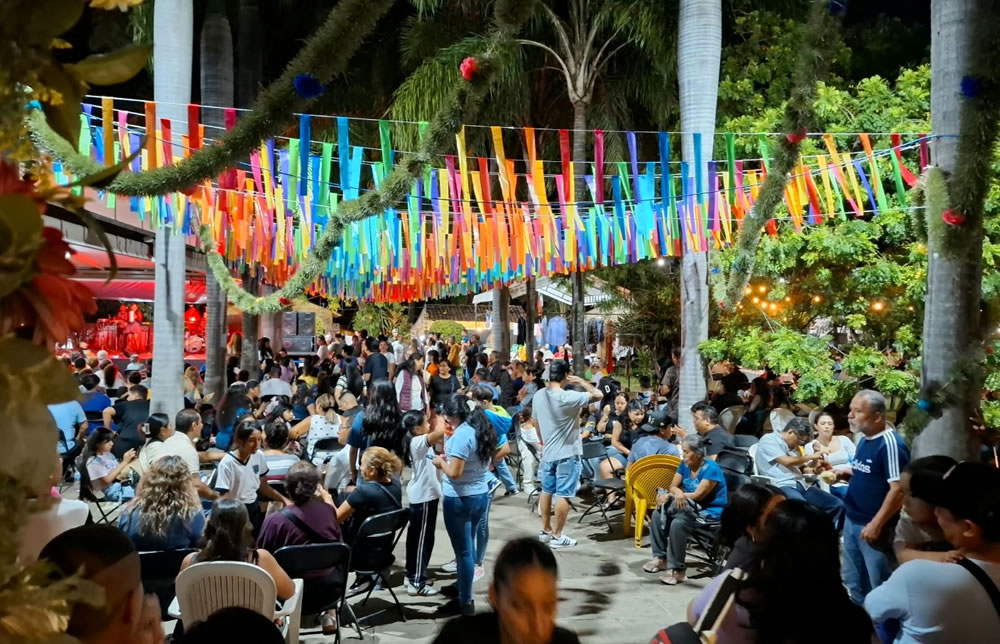
At the Parroquia de San Miguel Arcángel, locals gather for a special feast day mass. Following the service, the church atrium comes alive with a festive kermés—a vibrant Mexican street fair filled with delicious local food stalls, traditional music, family games, and joyful community spirit. It’s a wonderful way to experience authentic Mexican barrio culture at its warmest!
(Special thanks to our dear friend Carel from our sister school, CLS, for sharing these wonderful photos from her home barrio of Acapantzingo!)
Where to Experience It Today
If you’re visiting Cuernavaca around late September, keep an eye out for these festive touches:
- The Markets: Visit traditional spots like the Mercado Adolfo López Mateos in the days leading up to September 29th, where vendors sell massive bunches of fresh yellow pericón alongside pre-made crosses.
- Neighborhood Walkabouts: Take a stroll through historic quarters like Acapantzingo, Tlaltenango, or San Antón. Look up at the lintels of traditional adobe and brick homes, and you will spot the bright yellow guardians standing watch over the thresholds.
San Miguel Day is a brilliant reminder of why living in or visiting Cuernavaca is so magical. Here, history isn’t locked behind museum glass—it’s alive in the doorways, fragrant in the autumn air, and woven into the very fabric of daily life.

