
The Soul of Mexican Catholicism: Mestizaje, Miracles, and Marketplaces
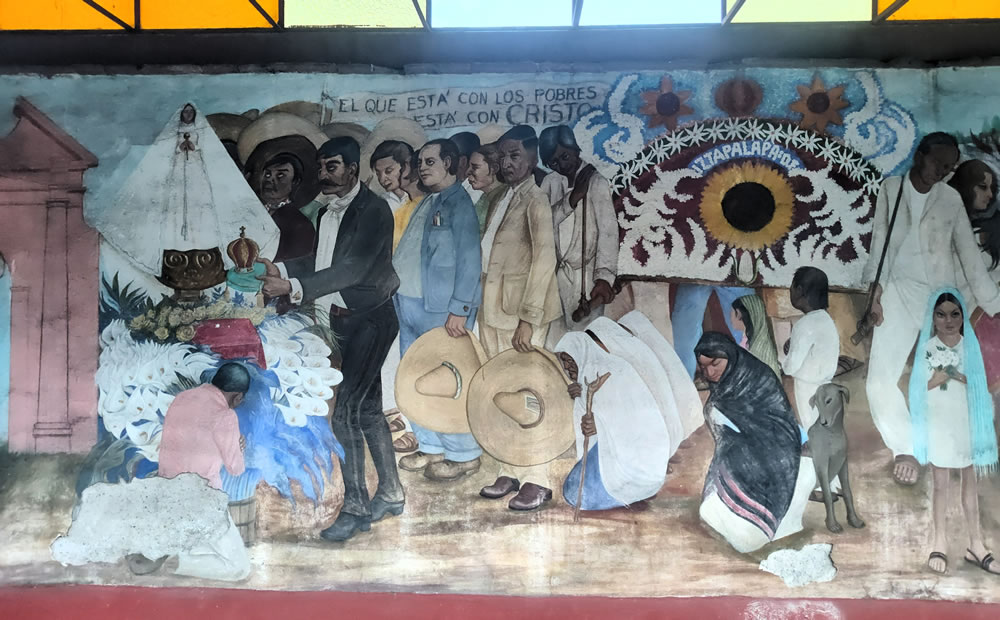
At IDEAL Spanish Mexico, we talk a lot about mestizaje—that rich, complex, and beautiful blend of indigenous roots and Hispanic heritage that defines the heartbeat of modern Mexico. If you want to witness this cultural fusion in real-time, there is no better moment than right now as Cuernavaca kicks off the traditional Feria de Tlaltenango, a lively celebration honoring the Virgen de los Milagros.

To understand Mexican spirituality, you have to look at how history unfolded. The Virgen de los Milagros is a classic Catholic invocation of the Virgin Mary, mother of Jesus. But for the indigenous communities of the 16th century at the dawn of the colonial era, this concept didn’t feel entirely foreign. In their pre-Hispanic belief systems, the idea of multiple manifestations or facets of a single deity was completely natural. Take Tláloc, the god of water: in simple terms, he had more than twenty different invocations, each adapted to a specific water force—whether gentle rain or a raging storm. When the Spanish crown prioritized evangelization, Catholicism offered a familiar structural bridge, allowing indigenous peoples to embrace the new faith while holding tightly to elements of their ancestral worldview.
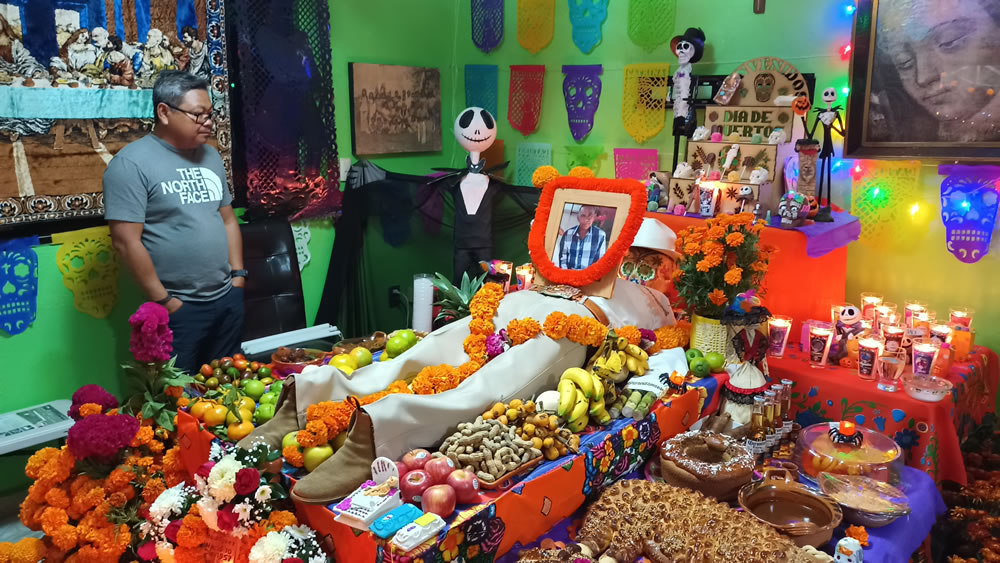
This is precisely why Mexican Catholicism is so wonderfully unique: it is a truly mestizo religion. People adopted Catholicism, yet they kept the spirit and symbols of their original traditions alive. A textbook example of this is Día de Muertos (Day of the Dead). While it coincides with the Catholic Día de Todos los Santos (All Saints’ Day), the celebration itself is a masterpiece of indigenous symbolism. We build ofrendas (altars) to welcome our departed loved ones home, featuring papel picado to represent the wind, refreshing water, salt to symbolize the earth, and the pungent, unmistakable aroma of cempasúchil (marigold) flowers designed to guide souls back to their ancient homes.
You can feel this exact same collision of eras at the Feria de Tlaltenango, particularly in its bustling tianguis. Stemming from the Nahuatl word tianquiztli, the tianguis is a pre-Hispanic institution where communities gathered to trade everything from food and animals to clay utensils, corn, and tortillas. Walk through the fair today, and you will still feel that ancient mercantile energy, though the stalls now sit shoulder-to-shoulder with modern life: USB flash drives loaded with music, electronic watches, and video games. And, of course, you’ll catch the quintessential modern grumble from local vendors: Mexican tianguis are increasingly flooded with goods from China—sometimes even including “Mexican” folk art and souvenirs manufactured halfway across the world. Talk about a plot twist!

Culture has never been a static museum piece locked behind glass; it breathes, adapts, and evolves right alongside us. We invite you to experience this vibrant Mexican reality for yourself—a culture deeply anchored in centuries of history yet dancing gracefully with the rhythms of today.
Come live it with us at IDEAL Spanish Mexico!

